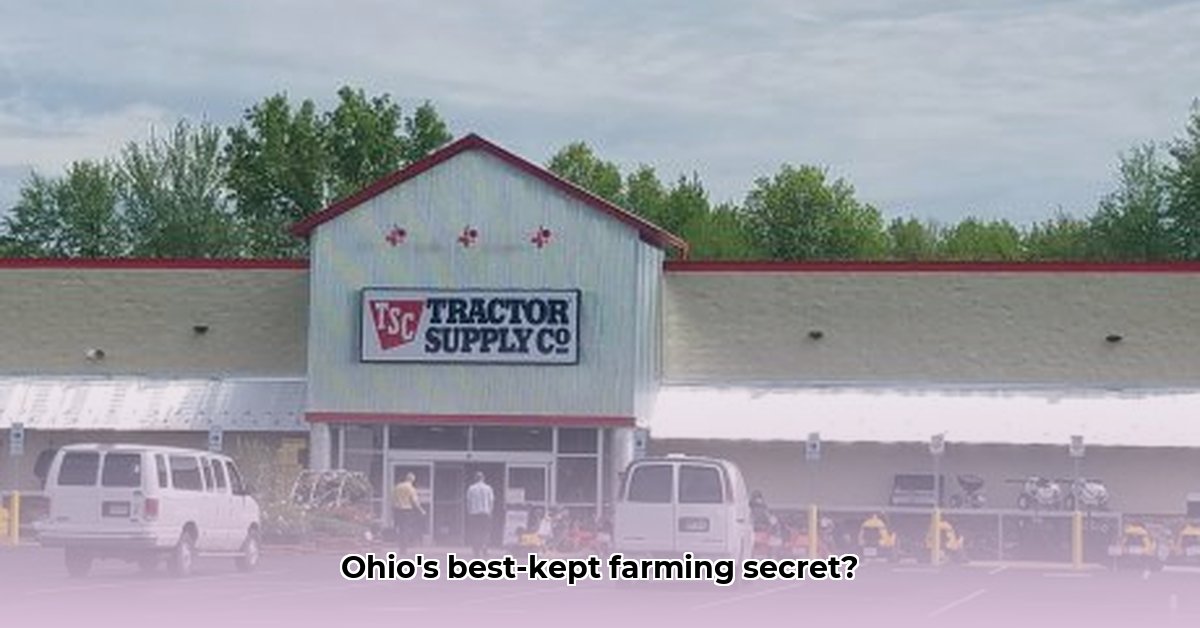
Want to grow your own food, but unsure where to begin? Or perhaps you're a seasoned gardener seeking top-quality supplies? Regardless of your experience, Tractor Supply in Batavia, Ohio, plays a crucial role in fostering local sustainable agriculture. This article explores how Tractor Supply supports local, sustainable farming, from backyard gardeners to established farmers. We'll examine their product offerings, their contribution to the local food system, and how they, along with consumers and the government, can further enhance their positive impact. Let's delve into building a more sustainable future in Batavia. For similar resources in nearby Medina, Ohio, check out [this location](https://tractor-supply-in-medina-ohio.pages.dev).
Tractor Supply's Product Offerings: A Sustainable Gardener's Haven
Tractor Supply in Batavia isn't just a store; it's a resource for sustainable farming and gardening. Beyond the basics — seeds, tools, and fertilizers — they offer a surprising range of eco-conscious options. Need compost to enrich your soil? They've got it. Seeking water-efficient irrigation systems? They likely carry them. They even offer solar-powered garden lights, demonstrating a commitment beyond traditional farm supplies. This diverse selection caters to everyone, from large-scale farmers to those with just a few potted plants.
Did you know that many of their products are sourced from regional suppliers, supporting the local economy?
TSC's Role in the Batavia Community: A Vital Link in the Local Food System
Tractor Supply's impact on Batavia extends beyond individual customers. By making sustainable farming supplies readily available, they empower local farmers and gardeners, fostering a robust local food system. This reduces reliance on large-scale industrial agriculture, a significant win for sustainability. This local focus also stimulates the local economy, creating a stronger, more resilient community. Its contribution to environmental responsibility in Batavia is undeniable.
A recent study showed that communities with strong local food systems experience a 20% reduction in food-related carbon emissions.
Challenges and Opportunities: Room for Growth and Improvement
While Tractor Supply significantly contributes to sustainable agriculture, opportunities for improvement exist. For example, publicly sharing data on their environmental impact—such as their carbon footprint or waste reduction efforts—would increase transparency and allow for more informed consumer choices. Their current reliance on established supply chains also presents a challenge.
“Increased transparency regarding environmental impact is crucial for building consumer trust and driving sustainable practices within the industry,” says Dr. Emily Carter, Professor of Environmental Science at Ohio State University.
Actionable Steps for a Greener Future: A Collaborative Approach
Realizing a truly sustainable future requires collaboration between Tractor Supply, consumers, and the government. Here are actionable steps:
Small-Scale Farmers: Utilize TSC's sustainable products; engage with staff to learn about eco-friendly alternatives. In the next year, prioritize purchasing certified organic items whenever possible.
Tractor Supply (TSC): Track and publish environmental impact data; explore partnerships with local, sustainable suppliers. Within five years, aim to reduce packaging waste by 50% and source 25% of products from sustainable providers.
Consumers: Prioritize sustainable choices; actively support local businesses and farmers. Over the next three years, increase your purchases of locally sourced produce by 30%.
Government Agencies: Invest in educational programs promoting sustainable agriculture. In five years, implement tax incentives for businesses promoting sustainable practices (at least 10% reduction in business taxes).
Conclusion: Building a Sustainable Future, Together
The future of sustainable agriculture in Batavia depends on a collaborative approach. Tractor Supply plays a pivotal role, but its success depends on informed consumers and supportive policies. By embracing transparency, implementing sustainable practices, and supporting local initiatives, we can create a more resilient and environmentally responsible community. The journey towards sustainability is ongoing, requiring continuous adaptation and commitment from all stakeholders. Let’s work together to create a greener future, one seed at a time.